Many women assume that feeling weaker, stiffer, or more tired as they get older is simply part of ageing.
But in most cases, it’s not ageing alone.
It’s gradual muscle loss.
From around our 30s onwards, we begin to lose muscle mass naturally in a process called sarcopenia. Without strength training, women can lose 3–8% of muscle each decade, which affects strength, balance, energy and metabolism.
The good news?
This process can be slowed, stopped and even reversed with the right type of training.
Here are five subtle signs your body may be losing strength — and what you can start doing about it.
1. Everyday Tasks Feel Harder Than They Used To
If you’ve noticed things like:
- carrying shopping bags feels heavier
- getting up from the floor feels harder
- lifting suitcases or laundry baskets is more challenging
this often points to declining lower body and core strength.
These muscles help you perform everyday movements safely and efficiently.
What helps
Focus on foundational strength exercises such as:
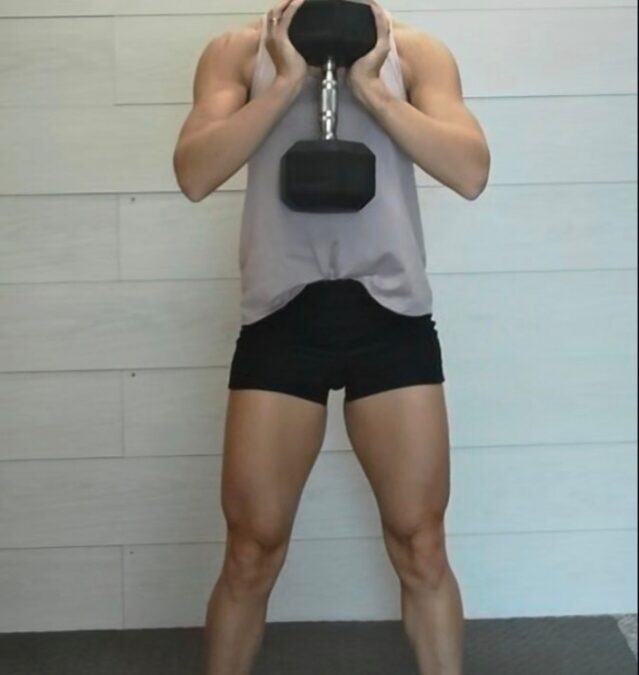
- Squats
- Glute bridges
- Step-ups
- Rows
Even two short strength sessions a week can make a noticeable difference.
2. Your Balance Feels Less Steady
Many women notice they feel slightly more wobbly when:
- standing on one leg
- stepping off curbs
- walking on uneven surfaces
Balance is closely connected to muscle strength and core stability.
When muscles weaken, the body has to work harder to stabilise itself.
What helps
Include exercises that challenge balance and coordination:
- Single-leg movements
- Controlled lunges
- Pilates core exercises
- Slow strength training
These movements help your body stay stable and resilient as you age.
3. You Feel Stiffer Than You Used To
Morning stiffness or tight hips and lower backs are incredibly common after 40.
While hormones and lifestyle play a role, muscle weakness is often a hidden contributor.
When muscles become weaker, joints receive less support, which can lead to stiffness and discomfort.
What helps
A combination of strength training and mobility work is key.
Pilates, resistance training and gentle mobility exercises help maintain:
- joint health
- muscle support
- functional movement
4. Your Energy Levels Are Lower
Muscle tissue plays a major role in metabolism and energy levels.
When muscle mass decreases, it can contribute to:
- feeling more fatigued
- slower metabolism
- reduced physical stamina
Strength training helps stimulate the muscles and can improve overall energy levels.
Many women are surprised that short strength workouts actually increase energy rather than drain it.
5. You Avoid Certain Movements
Sometimes the clearest sign of declining strength is behavioural.
You may find yourself avoiding:
- getting down onto the floor
- lifting heavy objects
- certain exercises
Not necessarily because you can’t do them, but because they feel harder or less comfortable than they used to.
Avoiding movement over time can lead to further strength loss.
What helps
Start small and rebuild strength gradually.
Even 10–20 minutes of resistance training a few times per week can restore confidence and capability.
The Most Important Thing To Remember
Losing strength is not inevitable.
The body is incredibly adaptable at every stage of life.
Women in their 40s, 50s and beyond can build strength, improve mobility and feel more capable again with the right type of training.
The key is focusing on:
- strength
- consistency
- manageable workouts that fit into real life
Because strength isn’t just about exercise.
It’s about maintaining independence, confidence and quality of life for years to come.