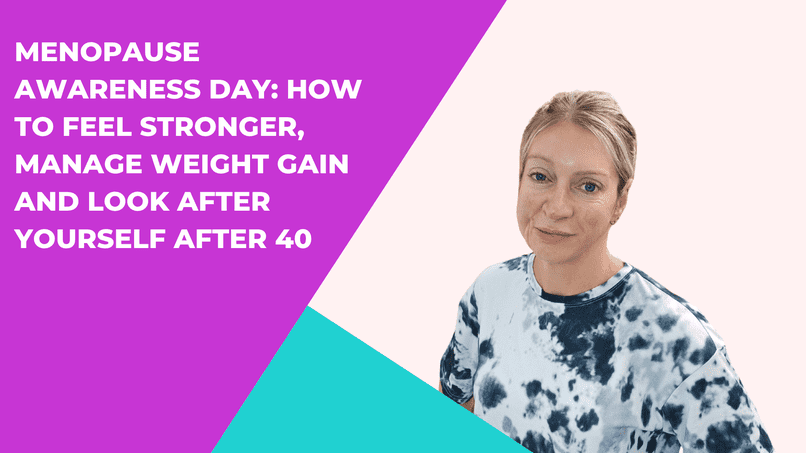
World Menopause Day is a reminder that women deserve better information, more support and a lot less pressure to simply get on with it.
Have you noticed that your body seems to be changing, your sleep isn’t what it used to be, or the things that once worked for your fitness and weight management just don’t seem to be working in the same way?
Perhaps you’re feeling more tired, struggling with night sweats, experiencing brain fog or noticing that your clothes feel tighter around your middle.
If any of this sounds familiar, you’re not alone.
World Menopause Day takes place on 18 October each year, helping to raise awareness of menopause, its impact on women’s lives and the support available.
As a fitness professional who works with busy women, particularly women over 40, I believe this is an important opportunity to talk about what happens to our bodies during midlife, why our needs can change and how we can look after ourselves without spending hours exercising or following another restrictive diet.
The message is simple: you don’t need to fight your body. You need to understand it and give it the support it needs.
What is the difference between perimenopause and menopause?
Perimenopause is the transition leading up to menopause. During this time, hormone levels fluctuate and periods may become irregular. Symptoms can begin during this stage, sometimes before you realise that hormonal changes are responsible.
Menopause is defined as the point when you have gone 12 consecutive months without a period, provided there is no other cause. After this, you are considered postmenopausal.
Menopause usually occurs between the ages of 45 and 55, although it can happen earlier.
Common perimenopause and menopause symptoms include:
- Hot flushes and night sweats
- Difficulty falling asleep or staying asleep
- Tiredness and reduced energy
- Changes in mood, anxiety or low mood
- Brain fog and difficulty concentrating
- Joint and muscle aches
- Changes in sexual desire and vaginal dryness
- Changes in body composition and weight distribution
Every woman’s experience is different. Some experience relatively few symptoms, while others find that symptoms affect their work, relationships, sleep and everyday life.
If symptoms are affecting your quality of life, speak to your GP about the support and treatment options available. You do not have to simply put up with them.
Why am I gaining weight during perimenopause and menopause?
One of the most frustrating changes women report is weight gain, particularly around the abdomen.
If you feel as though your usual approach to exercise and eating isn’t producing the same results, it is worth understanding what’s happening.
Ageing, hormonal changes, sleep disruption and changes in daily activity can all influence body composition and weight management.
1. Your body composition can change
As we get older, we can gradually lose muscle if we don’t do enough to maintain it. At the same time, fat distribution can change, with more fat tending to accumulate around the abdomen during the menopause transition.
This means the number on the scales might not tell you the whole story.
Muscle strength, waist measurements, energy levels and how you feel in everyday life are also useful things to consider.
2. Poor sleep can make healthy habits harder
Night sweats and disrupted sleep can leave you exhausted the following day.
When you’re tired, it can be harder to find the motivation to exercise, prepare balanced meals or manage cravings. You might also find yourself relying more on caffeine or quick convenience foods.
This isn’t a lack of willpower. It’s a reason to look at sleep and recovery as part of your overall health strategy.
3. Stress and busy lifestyles matter
Many women in their 40s and 50s are juggling work, family responsibilities, caring commitments and everything else life throws at them.
When time is limited, exercise and self-care can easily fall to the bottom of the list.
Stress doesn’t automatically cause weight gain, but it can affect sleep, appetite, activity levels and the habits that help us manage our weight.
4. Your old routine may need updating
If you’ve relied on endless cardio, restrictive eating or the occasional intense workout, this could be an opportunity to take a more balanced approach.
You don’t need to punish yourself with harder workouts or eat as little as possible.
Instead, focus on maintaining muscle, eating enough nourishing food, moving consistently and making changes you can sustain.
The best type of exercise during menopause
Exercise during perimenopause and menopause isn’t just about losing weight. It supports muscle strength, bone health, cardiovascular health, mobility and mental wellbeing.
The best routine is one that fits your life, your current fitness level and what you enjoy.
1. Prioritise strength training
If there is one area I would encourage women over 40 to pay attention to, it is strength training.
Resistance training helps maintain and build muscle, supports bone health and makes everyday activities easier.
You don’t need an expensive gym membership or a room full of equipment to begin.
You can start with dumbbells, resistance bands or bodyweight exercises at home.
Useful exercises include:
- Squats or sit-to-stands
- Hip hinges and Romanian deadlifts
- Glute bridges
- Rows
- Chest presses or modified press-ups
- Shoulder presses
Aim to train all major muscle groups regularly, gradually increasing the challenge as your strength improves.
For many women, two or three well-planned strength sessions each week can be a practical starting point.
2. Keep walking and doing cardiovascular exercise
Walking, cycling, swimming and low-impact cardio all have a place in a healthy midlife routine.
Regular aerobic activity supports heart health, fitness and general wellbeing.
You don’t have to run if you don’t enjoy running. Equally, if you love running, there’s no reason to stop simply because you’re experiencing menopause, provided it suits your health and fitness.
Find movement you enjoy and build it into your week.
3. Make Pilates part of your routine
Pilates can help develop core strength, balance, body awareness, mobility and control.
It can be a useful complement to strength training, particularly if you spend long periods sitting or feel stiff and achy.
Reformer Pilates, mat Pilates and shorter home sessions can all help you maintain a regular movement habit.
However, Pilates doesn’t need to replace progressive resistance training. For bone and muscle health, include appropriate resistance and weight-bearing exercise too.
4. Remember that ten minutes counts
One of the biggest barriers I hear from busy women is that they simply don’t have time.
But exercise doesn’t have to take an hour to be worthwhile.
A focused ten-minute strength session, a brisk walk at lunchtime or a short Pilates flow can be a useful way to build consistency.
Short sessions can contribute towards your activity goals, especially when you combine them throughout the week.
Start with what is realistic now. You can build from there.
What should you eat during menopause to support your weight and energy?
There is no single menopause diet that works for every woman. You don’t need to eliminate carbohydrates, cut out fruit or follow an extreme detox to look after your health.
A balanced, sustainable approach is a much better place to start.
Eat enough protein
Protein helps maintain and build muscle, particularly when combined with resistance training.
Include protein-rich foods such as eggs, Greek yoghurt, fish, chicken, tofu, beans, lentils or other suitable alternatives throughout your day.
Rather than worrying about achieving a perfect number at every meal, focus on including a useful protein source consistently.
Include fibre-rich foods
Vegetables, fruit, oats, wholegrains, beans and lentils provide fibre and other important nutrients.
Fibre supports digestive health and can help meals feel more satisfying.
Aim for variety rather than relying on a small selection of foods.
Don’t be afraid of carbohydrates or healthy fats
Carbohydrates provide energy for everyday life and exercise. Wholegrain bread, oats, potatoes, rice and pulses can all form part of a balanced diet.
Healthy fats from foods such as olive oil, nuts, seeds and oily fish also have a role in a nutritious eating pattern.
You don’t need to cut out entire food groups to manage your weight.
Support your bone health
Calcium and vitamin D are important for bone health, alongside appropriate exercise.
Include calcium-rich foods such as dairy products or calcium-fortified alternatives, and follow UK guidance on vitamin D supplementation.
If you have concerns about your diet, bone health or nutritional needs, a registered dietitian or healthcare professional can offer personalised advice.
How to improve sleep and manage stress during menopause
When sleep is disrupted, everything can feel harder.
Although lifestyle changes won’t resolve every menopause symptom, a few practical habits may help.
- Keep a consistent sleep routine. Try to go to bed and get up at similar times where possible.
- Make your bedroom comfortable. A cool room, breathable bedding and lighter nightwear may help if you experience night sweats.
- Move regularly. Walking, strength training and other activities can support general wellbeing and may help with sleep.
- Make space to unwind. Gentle Pilates, breathing exercises, reading or a few quiet minutes without your phone can provide a useful transition into bedtime.
- Notice your triggers. Caffeine, alcohol and spicy foods can worsen hot flushes for some women, so consider whether adjusting them makes a difference.
- Ask for help. You don’t need to manage everything on your own.
If poor sleep, anxiety or other symptoms persist, speak to your GP. Menopause-specific cognitive behavioural therapy and other treatments may be appropriate, depending on your symptoms.
Do I need HRT to manage menopause?
Hormone replacement therapy (HRT) can be an effective treatment for many menopause symptoms, including hot flushes and night sweats.
Whether it is suitable for you depends on your symptoms, medical history, preferences and individual circumstances.
There are also non-hormonal treatment options, and lifestyle measures can complement medical care.
HRT isn’t a fitness or weight-loss treatment, and you shouldn’t feel pressured either to take it or to avoid it. A healthcare professional can help you understand the potential benefits and risks for your situation.
Be cautious about supplements marketed as menopause miracle cures. Evidence varies considerably, and herbal products can have side effects or interact with medicines. Check with a qualified healthcare professional before taking them.
Your menopause reset: five small steps to start today
You don’t need to overhaul your entire life this week. Start with a few achievable actions.
1. Schedule two strength sessions. Put them in your diary as you would any other commitment.
2. Add a short walk. Ten or fifteen minutes is a useful starting point when time is tight.
3. Include protein in your meals. Make your next meal balanced and satisfying rather than trying to eat as little as possible.
4. Create a simple evening routine. Choose one realistic habit that helps you wind down.
5. Stop comparing your current body with your body ten or twenty years ago. Your needs may have changed, and your approach can change too.
Progress doesn’t have to be dramatic to matter.
Menopause Awareness Day: you deserve support, not more pressure
Menopause can bring changes that affect how you feel, how you sleep, how you move and how you see yourself.
But this stage of life doesn’t mean you have to give up on feeling strong, improving your fitness or looking after your health.
It means finding an approach that works with your life now.
As a fitness professional working with busy women, I believe exercise should support your life rather than become another source of pressure.
That is why I encourage women to focus on strength, consistency, balanced nutrition and realistic habits instead of chasing quick fixes.
If you’re struggling to find the time or confidence to get started, you don’t have to do everything at once.
Want help getting started?
My approach is designed for busy women who want to feel stronger, improve their fitness and build healthy habits without spending hours exercising.
My 40+ Body Reset approach focuses on manageable workouts, strength, Pilates and sustainable nutrition habits for women navigating midlife.
If you’d like to hear about the next course, join the waitlist or get in touch to find out how I can support you.
[Insert your 40+ Body Reset waitlist link here]
And if you’re experiencing menopause symptoms that are affecting your quality of life, please speak to your GP. You deserve to understand your options and receive the support you need.
This article is for general educational purposes and is not a substitute for personalised medical advice.